Phoenix, Arizona · Equipment · Blades & Tooling · Rentals · Service & Repair

Blade Selection Guide

What blade cuts this material?

Start with the material, then the machine. The four variables we ask about before recommending a blade.

0 0
Read Time:38 Second

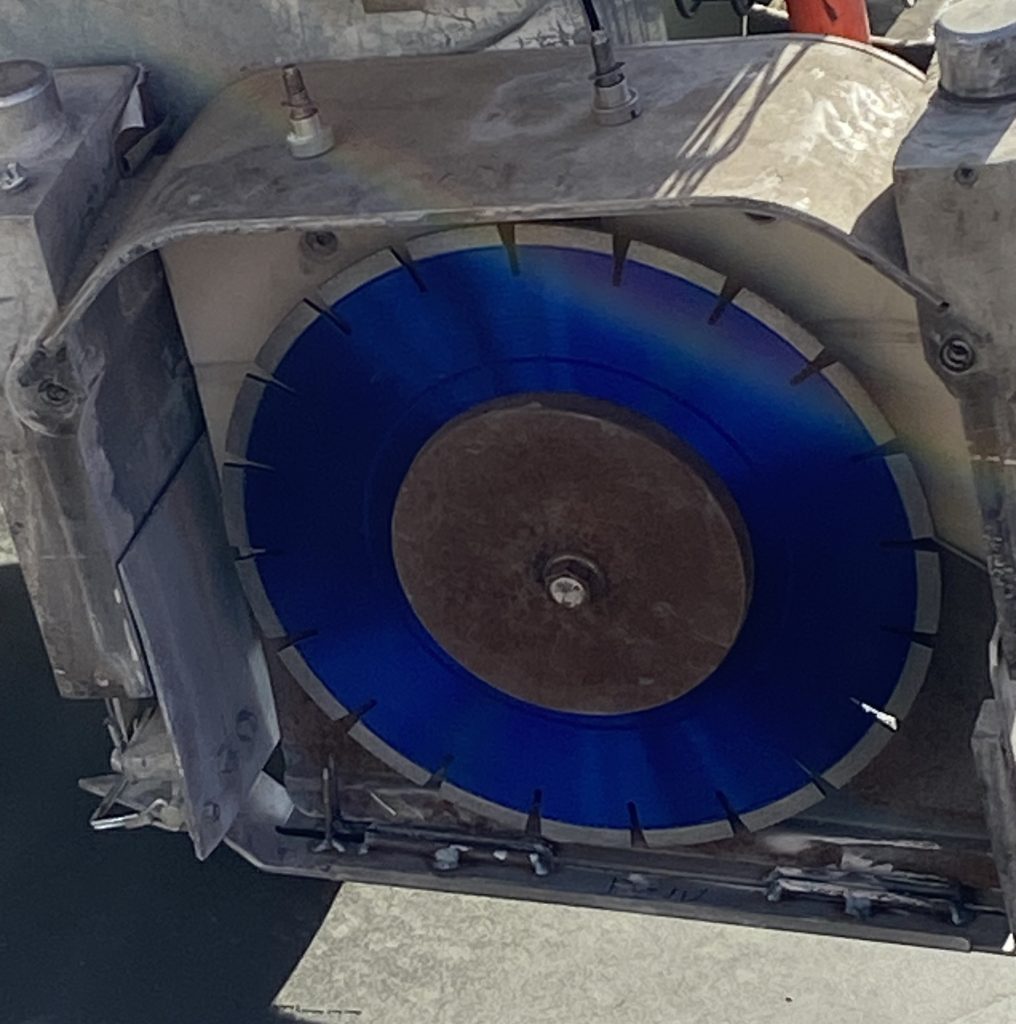
A blade that cuts well in one material can glaze, wear fast, or chip the edge in another. Before we recommend a blade, we ask about four things.

What we ask

  • Material — cured concrete, green concrete, asphalt, masonry, stone, ductile iron or mixed.
  • Machine — hand-held saw, walk-behind (and horsepower), table saw, wall saw or grinder.
  • Wet or dry — some blades are wet-only.
  • Size and arbor — diameter, depth of cut and the arbor on your saw.

Why it matters

Hard, dense material generally needs a softer bond so fresh diamond is exposed; abrasive material like asphalt or green concrete wears the bond and needs protection such as undercut segments. If you’re unsure, send us the material and saw model and we’ll explain the trade-off.

Happy
Happy
0 %
Sad
Sad
0 %
Excited
Excited
0 %
Sleepy
Sleepy
0 %
Angry
Angry
0 %
Surprise
Surprise
0 %

Have a question about your job?

Tell us a few things and a Blade Techs tech will explain what fits and why.

More guides

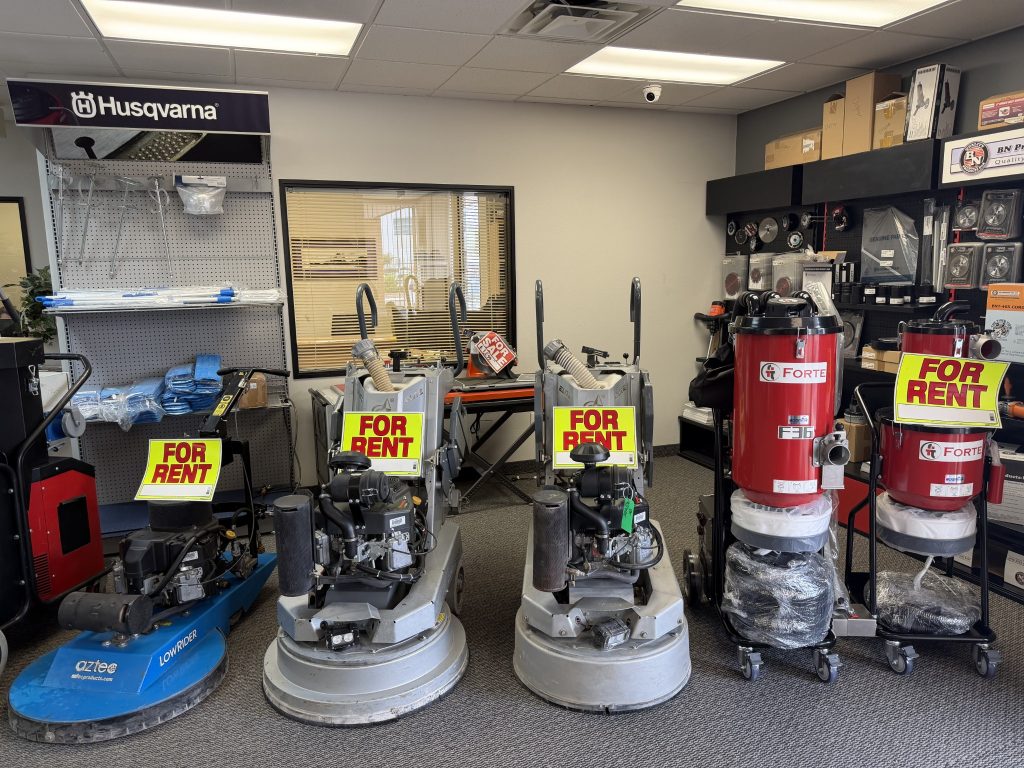
A rental goes smoother when the setup is planned before pickup. Checklist Square footage and surface condition, so tooling can be matched. Propane: which tank the machine uses and whether you need one. Dust collection to pair with the grinder.

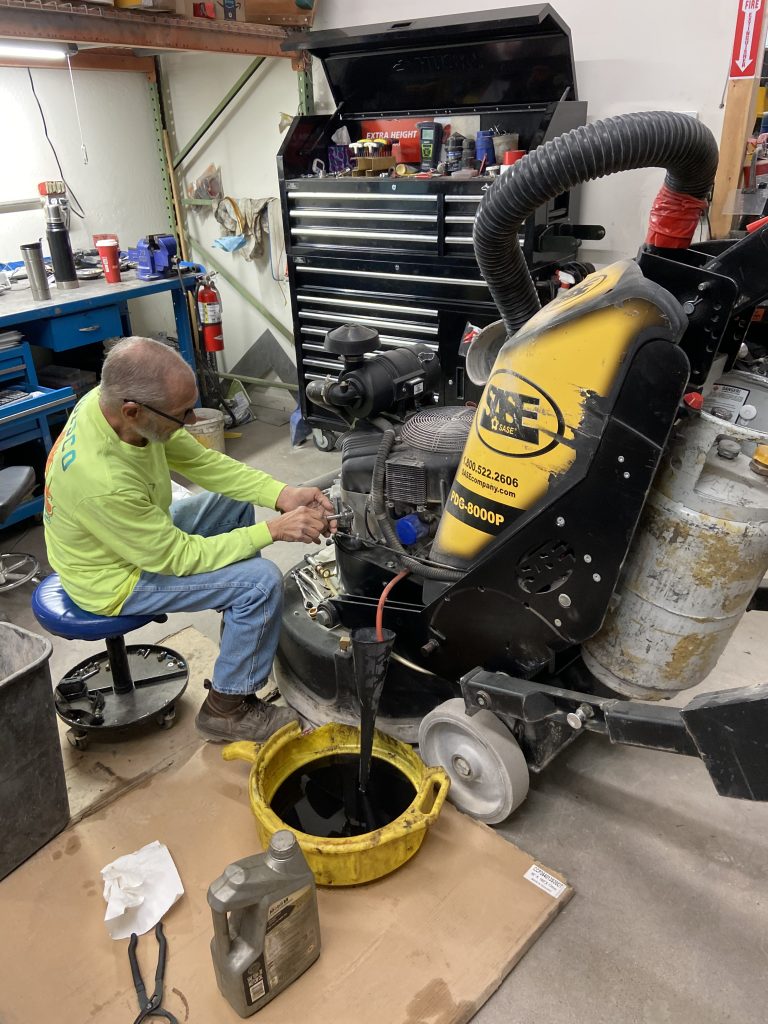
We can’t diagnose before inspection, but good information up front helps us plan parts and the next step. Have this ready Manufacturer and model. Serial number (photo of the plate is ideal). What happened and when it started. Any noises,

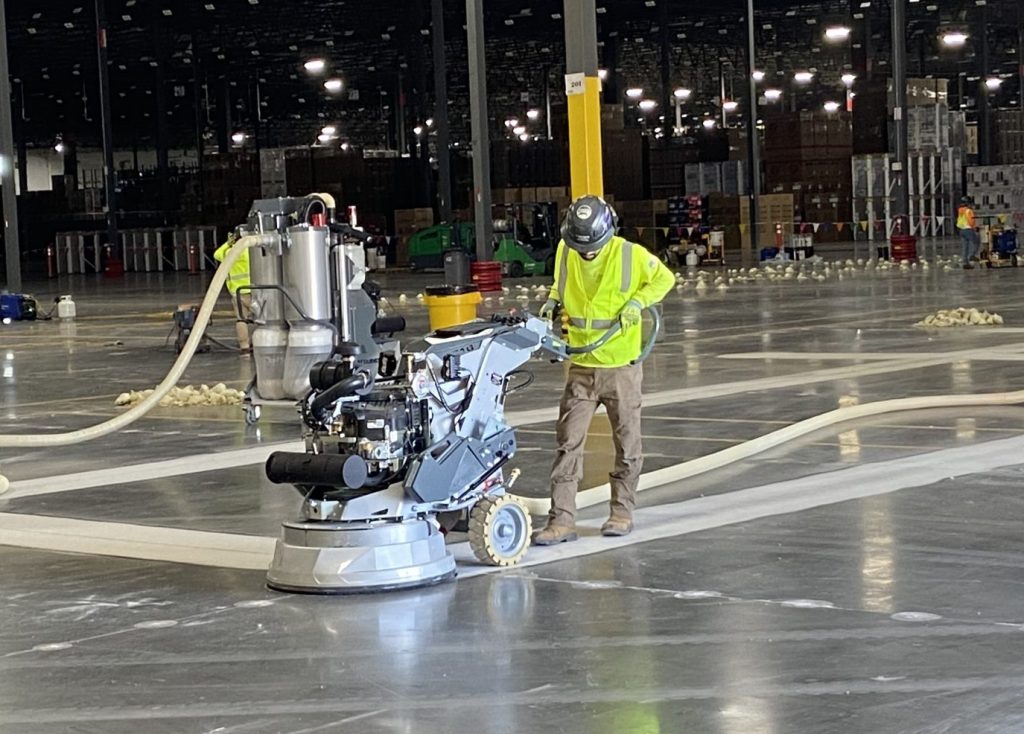
Tooling choice depends on what’s on the surface and where you want to end up. Removing epoxy calls for aggressive segments; fine grinding before polish calls for a continuous rim or finer tooling. Tell us Surface condition — coatings, glue,